

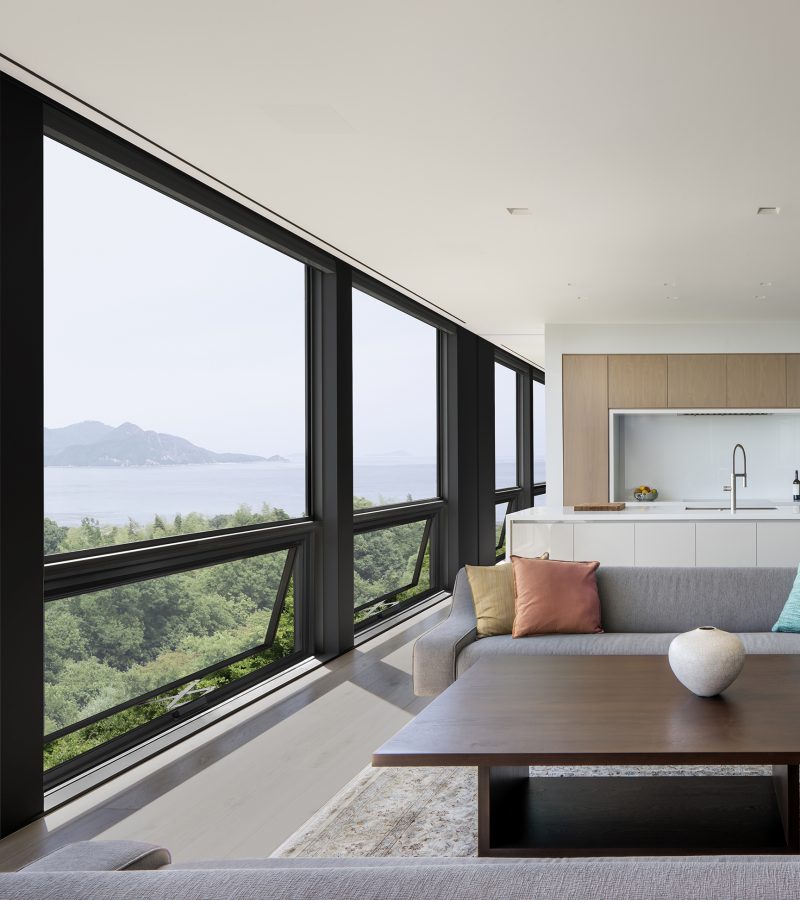
A technical guide for architects, builders and procurement teams — includes AS 2047 considerations, WERS energy metrics and practical flyscreen options.
Introduction
Awning (top-hung/external-open) windows are widely used across Australian residential and light commercial buildings because they allow natural ventilation while providing rain protection when opened. They are commonly specified for kitchens, bathrooms, and narrow elevations where ventilation during wet weather is required.
Sources: National Construction Code (NCC) — glazing requirements; general guidance on awning window applications. :contentReference[oaicite:0]{index=0}
Regulatory and standards context (Australia)
Windows and external glazed doors used in external walls must meet the mandatory Australian standard AS 2047 — Windows and external glazed doors in buildings. AS 2047 defines the tests and minimum performance for structural strength, water penetration and air infiltration. In many project specifications you will be asked to supply third-party AS 2047 test certificates for each window product.
Read AS 2047 (Standards Australia overview): Standards Australia — AS 2047. :contentReference[oaicite:1]{index=1}
The National Construction Code (NCC) contains glazing and safety glazing provisions (e.g., glazing safety for low-level panels) which should be considered when locating awning windows.
NCC glazing guidance: NCC — Part 3.6 Glazing. :contentReference[oaicite:2]{index=2}
Energy performance — WERS and thermal metrics
The Window Energy Rating Scheme (WERS) is the nationally recognised rating system for window energy performance. WERS ratings (1–10 stars) and published metrics such as U-value and SHGC should be used when comparing awning window products for a given climate or project energy target. WERS certifications are managed under AFRC/AGWA protocols.
WERS information: AGWA — How WERS Works. :contentReference[oaicite:3]{index=3}
Energy performance table (typical ranges)
The table below shows representative ranges for commonly used awning window configurations. These values are typical ranges used for design guidance; always use the manufacturer’s test certificate for procurement and compliance.
| Performance Parameter | Typical Single-glazed Awning | Typical Double-glazed Awning (Low-E) | Reference |
|---|---|---|---|
| U-value (W/m²·K) | 4.6 – 5.5 | 2.6 – 3.0 | WERS / AGWA |
| SHGC (solar heat gain coefficient) | 0.62 – 0.70 | 0.40 – 0.50 | WERS |
| Air infiltration (L/s·m² @ 75 Pa) | ≤ 0.5 – 1.0 | ≤ 0.5 – 0.8 | AS 2047 |
| Water penetration resistance | 300 – 450 Pa | 450 – 600 Pa | AS 2047 test data |
| Sound insulation (Rw) | 32 – 35 dB | 38 – 42 dB | Manufacturer test reports |
| WERS (approx. cooling/heating star ranges) | Cooling ★★ – ★★★ · Heating ★★★ – ★★★★ | Cooling ★★★★ – ★★★★★ · Heating ★★★★ – ★★★★★ | WERS |
Note: these ranges are for design comparison. For compliance, procurement and energy modelling, use the specific product’s WERS certificate, AS 2047 test reports and laboratory U-value/SHGC certificates supplied by the manufacturer. :contentReference[oaicite:4]{index=4}
Performance details — air, water & structural

AS 2047 defines the testing protocol and minimum performance criteria for air infiltration, water penetration and structural/wind loading. When specifying awning windows for coastal or high-wind locations, state the required design pressure (Pa) and ask for third-party test certificates demonstrating compliance to those values.
AS 2047 is the mandatory standard for external windows and glazed doors in Australia. :contentReference[oaicite:5]{index=5}
Flyscreens (insect screens) — options and best practice
Flyscreens are considered essential in many Australian regions for both comfort and public-health reasons (mosquito and biting midge protection). Common flyscreen configurations include fixed framed screens, removable frames, retractable/roller screens and fine-mesh or stainless-steel security meshes for high-risk or coastal sites.
Public health and state health guidance recommend screened openings (and appropriate mesh size) to reduce exposure to biting insects. See EnHealth guidance and state health pages for recommendations. :contentReference[oaicite:6]{index=6}
Flyscreens — quick selection guide
| Type | When to use | Pros / Cons |
|---|---|---|
| Fixed framed screen | Windows that rarely require removal (bathroom, corridor) | Durable and economical / Less convenient to clean |
| Removable screen | Locations requiring seasonal cleaning or access | Easy maintenance / Slightly higher cost |
| Retractable / roller screen | Where sightlines matter (living rooms, alfresco) | Hidden when not in use / Additional mechanism maintenance |
| Fine (mosquito) mesh | High mosquito or biting midge risk areas | Better insect protection / Minor airflow reduction |
| Security / stainless steel mesh | High security or coastal corrosion resistance required | Strong and secure / Higher cost and slightly reduced transparency |
Specification checklist (for procurement & compliance)

- Require AS 2047 test certificates showing water, air and structural test results for the nominated configuration. :contentReference[oaicite:7]{index=7}
- Require WERS certificate or published U-value & SHGC for the glazed configuration used in your project energy model. :contentReference[oaicite:8]{index=8}
- Specify required water penetration resistance and design wind pressure (Pa) where the building is in coastal or high-wind locations. :contentReference[oaicite:9]{index=9}
- Specify flyscreen type, mesh size (e.g. <1.2 mm openings for mosquito protection as used in some health guidance) and corrosion resistance for coastal sites. :contentReference[oaicite:10]{index=10}
- Confirm safety glazing and NCC requirements for low-level glazing (AS 1288 / NCC Part 3.6). :contentReference[oaicite:11]{index=11}
Design recommendations by climate / project target

| Project Target | Glazing | Frame | Expected WERS |
|---|---|---|---|
| Standard residential (5–6 star) | Single glazed or double glazed standard | Aluminium frame | ★★★ – ★★★★ |
| High performance (6–7 star / NatHERS) | Double-glazed Low-E + argon fill | Thermal-break aluminium | ★★★★ – ★★★★★ |
| Coastal / high salt exposure | Double glazing; stainless mesh / coastal finishes | Salt-resistant coatings; stainless steel fixings | ★★★★ |
Maintenance & commissioning
On delivery and installation, verify product labelling, AS 2047 and WERS certificates against the installed unit. Commission the hardware (hinges, stay arms, multi-point locks) and ensure seals are seated. For coastal and high dust environments, plan seasonal inspection and replacement of EPDM seals and cleaning or replacement of flyscreens.

Leave a comment
This site is protected by hCaptcha and the hCaptcha Privacy Policy and Terms of Service apply.