

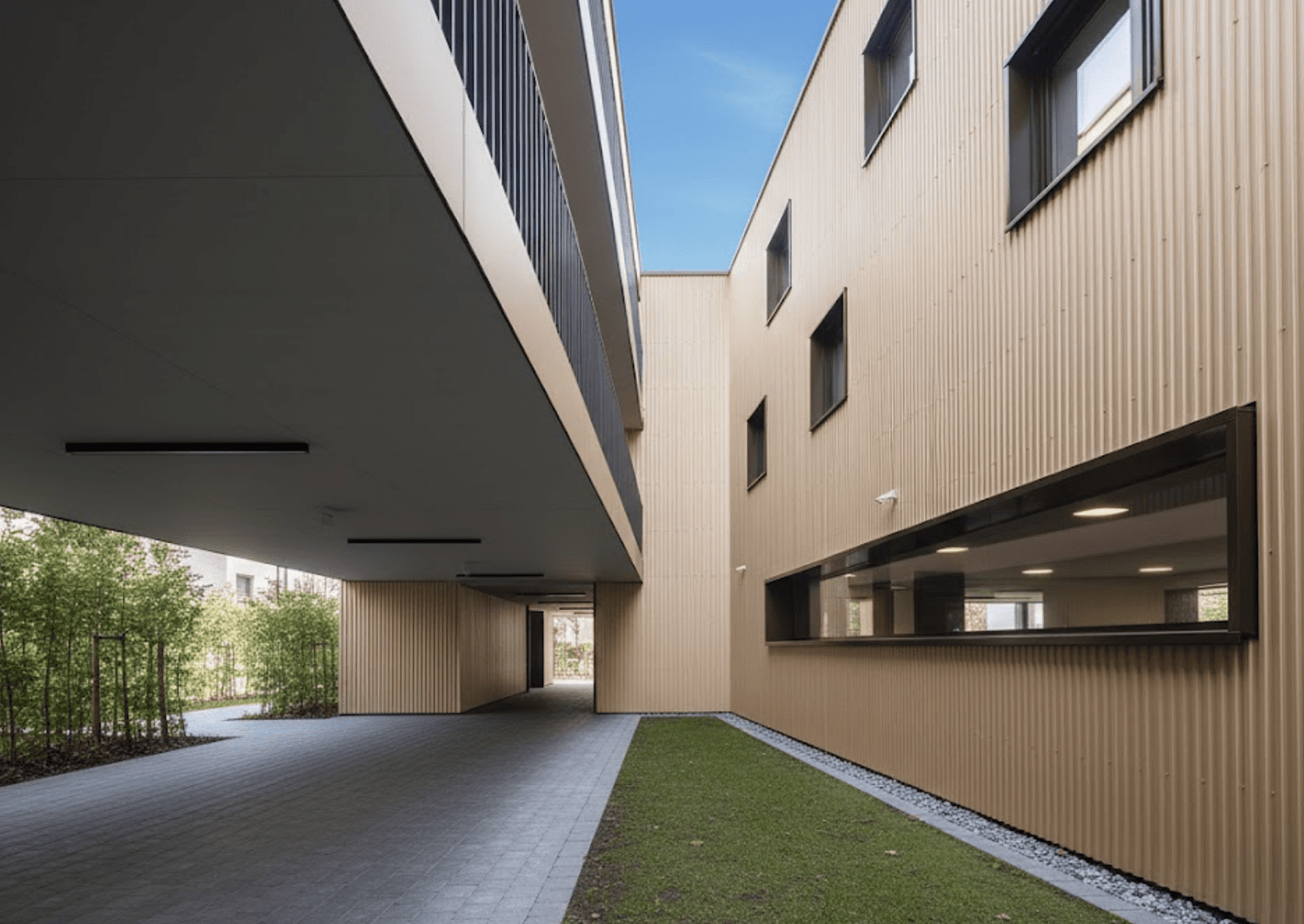
Queensland’s climate and regulatory environment place unique demands on facade systems. High wind loads, intense solar exposure, heavy rainfall, coastal corrosion, and increasingly strict energy-efficiency requirements all directly influence how facades are designed, specified, and constructed.
This guide provides a practical reference for developers, architects, builders, and facade consultants working on projects across Queensland, Australia.
1. Queensland’s Facade Environment

Compared with other Australian states, Queensland presents several facade-specific challenges:
- High wind regions, including cyclonic zones in northern Queensland
- Frequent wind-driven rain, particularly in coastal and subtropical areas
- Strong UV radiation, increasing heat gain and material ageing
- Coastal exposure requiring enhanced corrosion resistance
As a result, facade systems in Queensland must prioritise structural performance, water management, durability, and thermal control — not just visual appearance.
2. Regulatory Framework for Facades in Queensland

Facade design in Queensland is governed primarily by the National Construction Code (NCC), supported by Australian Standards and Queensland state legislation.
For local adoption and implementation, reference should also be made to the Queensland Government guidance on NCC application: Queensland NCC 2022 Implementation .
Key NCC Considerations for Facades
- Structural Performance: Facade elements must resist wind actions calculated in accordance with AS/NZS 1170.2.
- Weatherproofing: Facades must manage water penetration under realistic wind-driven rain conditions.
- Energy Efficiency (NCC Section J): Facades directly influence thermal performance, solar gain, and cooling demand.
- Fire Performance: Materials and facade assemblies must comply with NCC combustibility and fire spread requirements.
In practice, facades in Queensland are assessed as part of the entire building envelope, rather than as isolated products.
3. Common Facade Systems Used in Queensland
Aluminum Curtain Wall Systems
Aluminum curtain walls are widely used in commercial and high-density residential developments across Queensland.
Key performance requirements include:
- Resistance to high wind pressures
- Effective drainage and pressure-equalised design
- Durable aluminum alloys and high-performance surface finishes
Thermal performance is increasingly important, particularly for residential and mixed-use buildings subject to NCC Section J.
Aluminum Cladding & Panel Facades

Aluminum panel facade systems are popular due to their clean architectural expression and design flexibility.
For Queensland projects, practical considerations include:
- Fixing systems designed for wind uplift and local pressure zones
- Allowance for thermal expansion and contraction
- Compliance with non-combustible material requirements
Louvres & Architectural Shading Systems
Louvre systems play a critical role in Queensland facades by combining:
- Solar shading to reduce heat gain
- Ventilation support for natural or mechanical airflow
Well-designed louvre systems improve building energy performance while contributing to facade identity and depth.
Canopies & Architectural Screens
Canopies and architectural screens are commonly used at building entrances, podiums, and retail frontages.
These elements must be engineered for:
- Localised wind uplift forces
- Effective water shedding and drainage
- Long-term outdoor durability
4. Wind & Structural Design: A Queensland Priority

Wind loading is one of the most critical factors in facade engineering for Queensland projects.
Key considerations include:
- Wind region classification under AS/NZS 1170.2
- Building height and surrounding terrain category
- Increased wind pressures at facade edges and corners
Facade components often experience higher local loads than the primary structure, making project-specific engineering essential.
5. Water Management & Weather Resistance
In Queensland’s climate, effective facades are designed to manage water, not simply block it.
Best-practice facade detailing typically includes:
- Internal drainage paths
- Pressure moderation strategies
- Robust detailing at joints, penetrations, and interfaces
Poor water management detailing remains one of the most common causes of facade defects in Queensland buildings.
6. Energy Efficiency & Solar Control
 Facades play an active role in achieving compliance with NCC Section J energy-efficiency requirements.
Shading devices, louvre systems, and thermally optimised assemblies help reduce cooling loads and improve occupant comfort.
7. Durability & Material Selection
Queensland’s coastal and high-humidity environments demand careful material selection.
Typical durability considerations include:
- Marine-grade aluminum where required
- High-quality powder coating or anodised finishes
- Stainless steel fixings suitable for coastal exposure
A well-designed aluminum facade should deliver long-term performance with minimal maintenance.
8. Practical Specification Tips for Queensland Projects
- Confirm wind design parameters early in the project
- Define water performance expectations clearly
- Coordinate facade design with structural and services teams
- Avoid unnecessary complexity in high-exposure areas
- Select suppliers with proven engineering capability
9. Proline Aluminum: Facade Solutions for Queensland

Proline Aluminum specialises in aluminum facade systems designed for real-world Queensland conditions.
Our scope includes:
- Aluminum curtain wall and panel facade systems
- Louvres and architectural shading systems
- Canopies, screens, and custom aluminum metalwork
We work closely with developers, architects, and builders to deliver facade solutions that are practical, compliant, and aligned with project requirements.


Leave a comment
This site is protected by hCaptcha and the hCaptcha Privacy Policy and Terms of Service apply.