

Australia’s commercial construction industry is increasingly driven by strict building regulations, energy efficiency requirements, and long-term performance expectations. Modern façade systems are no longer standalone components—they are integrated building envelope solutions combining aluminium windows, curtain walls, commercial doors, and balustrades.
All commercial façade systems in Australia must comply with the National Construction Code (NCC), which governs safety, energy efficiency, and structural performance. Official reference: National Construction Code (NCC)
1. Commercial Building Envelope Systems in Australia

In modern Australian architecture, the façade is treated as a complete performance system rather than a visual surface. It integrates multiple components into a unified envelope.
- Aluminium curtain wall systems
- Thermally broken window systems
- Commercial-grade doors (sliding, swing, automatic)
- Glass or aluminium balustrade systems
- Aluminium cladding and shading systems
Regulatory framework reference: Australian Building Codes Board (ABCB)
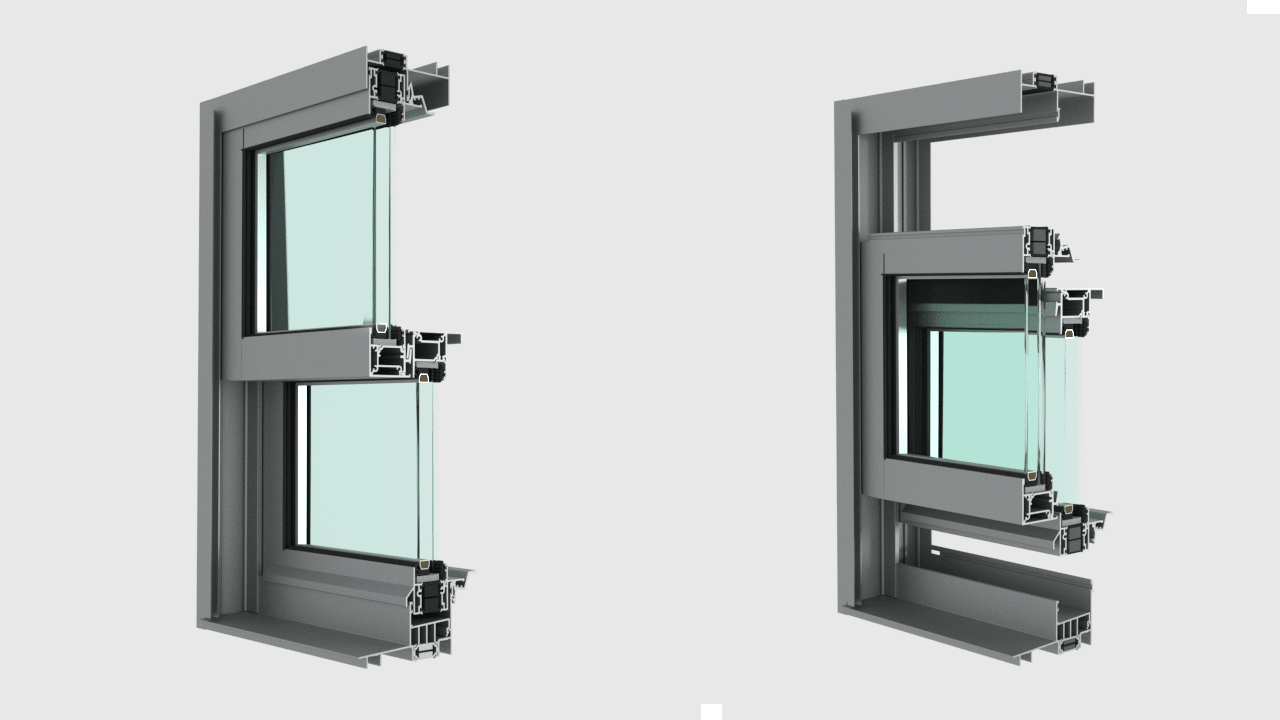
2. Aluminium Windows & Commercial Door Systems

Aluminium systems are widely used in Australian commercial buildings due to their durability, corrosion resistance, and structural strength.
Key System Features
- Thermally broken aluminium profiles for energy efficiency
- High wind-load resistance for coastal and high-rise projects
- Multi-point locking systems for commercial security
- Compatibility with double or triple glazing
- Heavy-duty operation cycles for public buildings
Commercial doors are widely applied in retail, office, and hospitality environments where durability and performance are critical.
3. Curtain Wall & Façade Systems

Curtain wall systems are the dominant façade solution for high-rise commercial buildings in Australia. They act as non-load-bearing external skins designed for weather protection and energy efficiency.
System Types
- Stick curtain wall systems
- Unitised curtain wall systems
- Structural glazing systems
Core Functions
- Wind load resistance
- Water penetration control
- Thermal insulation performance
- Acoustic performance in urban environments
Industry guidance reference: Australian Glass and Window Association (AGWA)
4. Balustrade Systems in Commercial Architecture

Balustrades serve both safety and architectural purposes in Australian commercial buildings and must meet strict structural requirements.
| System Type | Material | Application | Key Benefit |
|---|---|---|---|
| Frameless Glass Balustrade | Toughened laminated glass | Balconies, rooftops | Maximum transparency |
| Aluminium Framed System | Powder-coated aluminium | Public buildings | High durability |
| Hybrid System | Glass + aluminium | Premium projects | Balance of strength & aesthetics |
5. Compliance & Performance Standards in Australia
All façade systems must comply with national regulations and standards:
- National Construction Code (NCC)
- AS 2047 – Windows and external glazed doors
- AS 4284 – Facade testing
- Energy efficiency requirements (NCC Section J)
Official compliance framework: ABCB Official Website
6. System Integration in Commercial Projects
| Building Zone | System Type | Function |
|---|---|---|
| Ground Floor | Commercial sliding doors | High traffic durability |
| Office Façade | Curtain wall system | Daylighting & insulation |
| Balcony Areas | Glass balustrade system | Safety & transparency |
| Mechanical Zones | Aluminium louvre system | Ventilation & screening |
| External Envelope | Aluminium cladding system | Weather & fire protection |
7. Key Trends in Australian Commercial Façades

- Energy-efficient building envelopes driven by NCC requirements
- Slim-frame aluminium systems for maximum transparency
- Integration of shading and ventilation systems into façades
- Prefabricated façade modules for faster installation
- Lifecycle cost and maintenance optimization
Conclusion
In Australia’s commercial construction sector, façade systems are fully integrated engineering solutions combining aluminium windows, curtain walls, doors, balustrades, and cladding systems.
Compliance with the National Construction Code (NCC) ensures performance in safety, energy efficiency, and durability. The industry continues to move toward system-based, high-performance façade solutions designed for long-term building value.
Official reference: https://www.abcb.gov.au/

Leave a comment
This site is protected by hCaptcha and the hCaptcha Privacy Policy and Terms of Service apply.