

U-Value in Queensland: How Developers Reduce Energy, Cost & Heat Gain
A practical guide for contractors and developers to optimize window and door U-value in residential and commercial projects across QLD.
What is U-Value and Why It Matters in Queensland
U-value measures how quickly heat transfers through windows, doors, and facade systems. In Queensland’s hot climate, controlling heat gain is critical. Poor U-value performance directly increases HVAC loads, energy consumption, and indoor discomfort.
How U-Value Affects Building Structure

In real projects, facade surfaces can exceed 60°C under sunlight. High U-value systems accelerate thermal expansion, causing sealant failure, air leakage, and long-term facade fatigue.
- Thermal expansion stress
- Sealant cracking risks
- Air leakage at operable windows
Why U-Value Must Be Decided Early
U-value decisions in early design directly affect facade systems, HVAC sizing, and compliance with NCC requirements. Late-stage upgrades often increase facade costs by 15–20%.
Best U-Value Strategy for Residential Projects in QLD

Homes in Queensland often use large glass openings, but excessive glazing increases heat gain.
- Use thermal break window systems
- Control window-to-wall ratio (40% recommended)
- Add external shading systems
Commercial Buildings: Offices vs Shopping Malls
High-Rise Office Buildings

Curtain wall systems amplify U-value impact. A shift from U=2.0 to 3.5 can increase cooling energy by up to 25%.
Shopping Malls
Large entrances and frequent door operation create heat gain challenges.
- Thermal break commercial doors
- Double-door vestibule design
- Louvers and canopy shading
How Windows Reduce Overall U-Value

- Thermal break frames reduce heat transfer by 30–50%
- Use fixed panels where possible
- Optimize window size and segmentation
- Use deep frame systems (70mm+)
How Doors Impact U-Value More Than You Think

- Thermal break doors significantly outperform standard aluminium
- Air leakage can increase heat gain by 20–40%
- Use multi-point locking systems
- Design commercial entrances with buffer zones
Facade Layout Strategy: The Hidden Key
Even high-performance products fail without proper layout.
- Reduce east/west glazing
- Use external shading systems
- Optimize door placement
- Combine passive and facade design
Looking to Optimize U-Value for Your Next Project?
We provide thermal break window and door systems tailored for Australian standards and climate conditions.
Get Project Consultation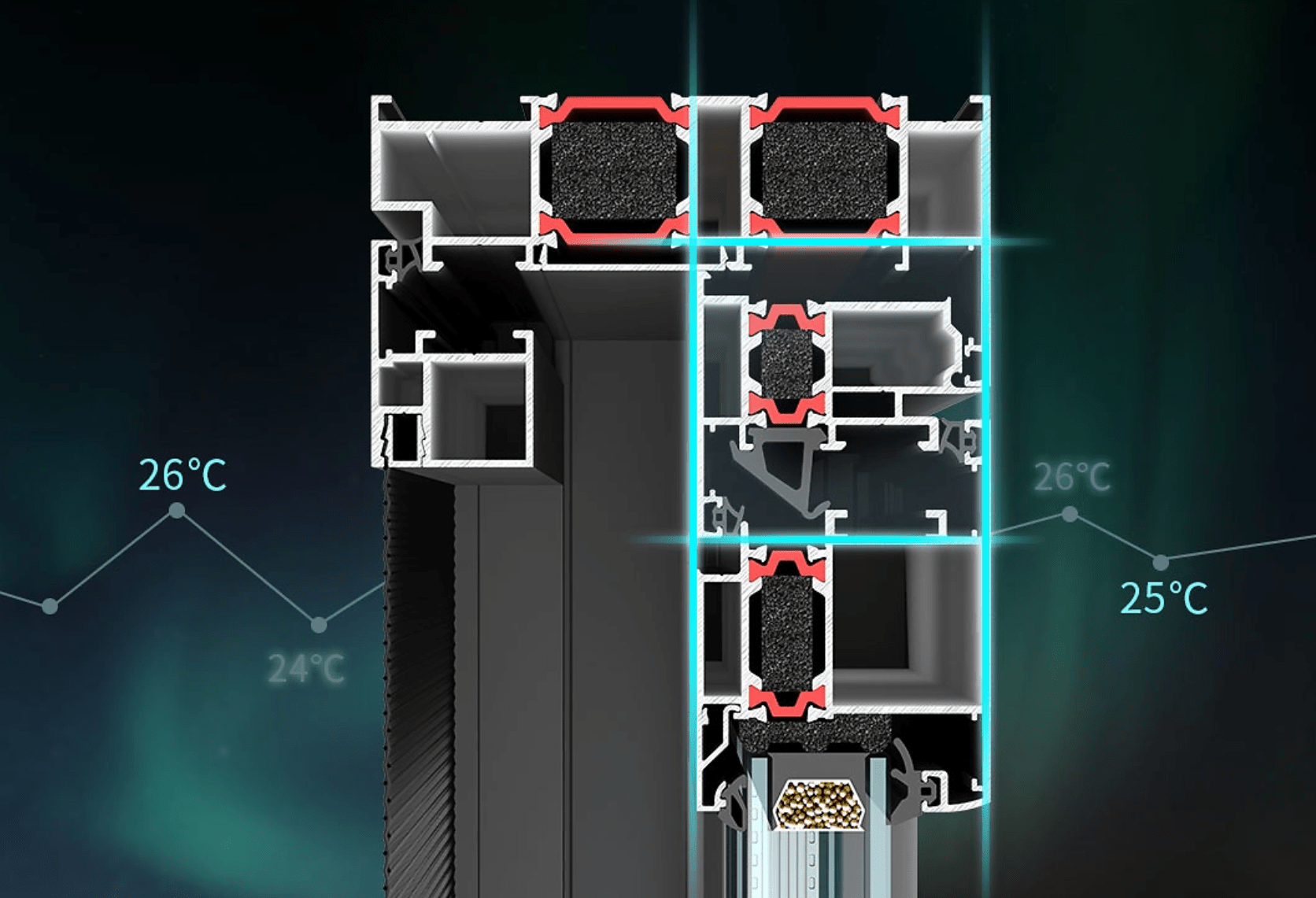

Leave a comment
This site is protected by hCaptcha and the hCaptcha Privacy Policy and Terms of Service apply.