

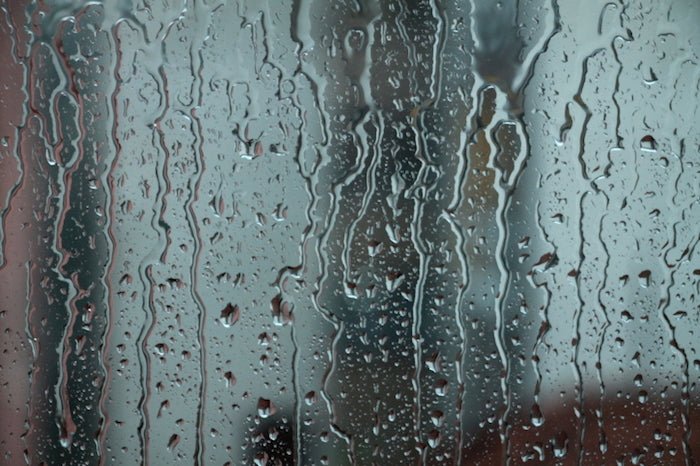
Evaluating seven common window types in Queensland, Australia, based on AS 2047 standards and practical guidance for high rainfall and coastal conditions.
Key Australian Standards & QLD References

- AS 2047 – Windows and External Glazed Doors: Performance testing requirements including water penetration, air infiltration, and structural strength.
- AS/NZS 4284 – Testing of Building Facades: Full façade/system testing of water, air, and structural performance.
- National Construction Code (NCC) – Damp & Weatherproofing (Part H2): Regulatory framework for moisture resistance and weatherproofing.
- QBCC Guidelines: Guidance on window selection, installation, and certification in Queensland.
- QRA / Cyclone Resilience Guidance: Requirements for cyclone-prone and exposed coastal areas.
- Wintec Systems Technical Reference: Industry guidance on window performance and testing.
Water Penetration Resistance Values (AS 2047)

| Wind Zone / Exposure | Water Penetration Test Pressure (Pa) | Notes |
|---|---|---|
| N1 / N2 (non-exposed) | 150 | Non-exposed sites |
| N1 / N2 (exposed) | 200 | Exposed sites |
| N3 / C1 (non-exposed) | 150 | Non-exposed |
| N3 / C1 (exposed) | 300 | Exposed |
| N4 / C2 (non-exposed) | 200 | Non-exposed |
| N4 / C2 (exposed) | 300 | Exposed |
| N5 / C3 (non-exposed) | 300 | Non-exposed |
| N5 / C3 (exposed) | 450 | Exposed |
| N6 / C4 (non-exposed) | 450 | Non-exposed |
| N6 / C4 (exposed) | 600–650 | Exposed (guidelines vary) |
Comparison of Seven Window Types

| Window Type | Water Tightness | Key Structural Reason | QLD Suitability |
|---|---|---|---|
| Casement Window | ★★★★☆ | Compression seal; sash tightens under wind load | Excellent for coastal & high-rise |
| Awning Window | ★★★★☆ | Top-hinged slope blocks rain | Suitable for rainy regions |
| Tilt-Turn Window | ★★★★★ | Multi-point locking & full perimeter seal | Best for exposed zones |
| Sliding Window | ★★☆☆☆ | Bottom track retains water; brush seals | Low-exposure areas |
| Double-Hung Window | ★★☆☆☆ | Two movable sashes | Internal or sheltered façades |
| Bi-Fold Window | ★★★☆☆ | Multiple panels; threshold risks | High-performance systems required |
| Parallel Push Window | ★★★★☆ | Even pressure on perimeter seals | Good for ventilation in rain |
Window Type Analysis
Casement Window
Compression seals around the sash increase water resistance as wind pressure pushes the sash tighter. Excellent for QLD coastal and high-rise applications.
Awning Window
Top-hinged outward-opening design forms a downward slope that naturally blocks rain, allowing ventilation even in rainy conditions.
Tilt-Turn Window
Multi-point locking with full perimeter seal ensures top-tier water tightness. Ideal for exposed or cyclone-prone zones.
Sliding Window
Water can accumulate in bottom tracks, and brush seals are less effective under wind-driven rain. Suitable only for low-exposure façades.
Double-Hung Window
Two movable sashes create multiple leakage paths; high precision in sealing is required. Not recommended for exposed coastal façades.
Bi-Fold Window
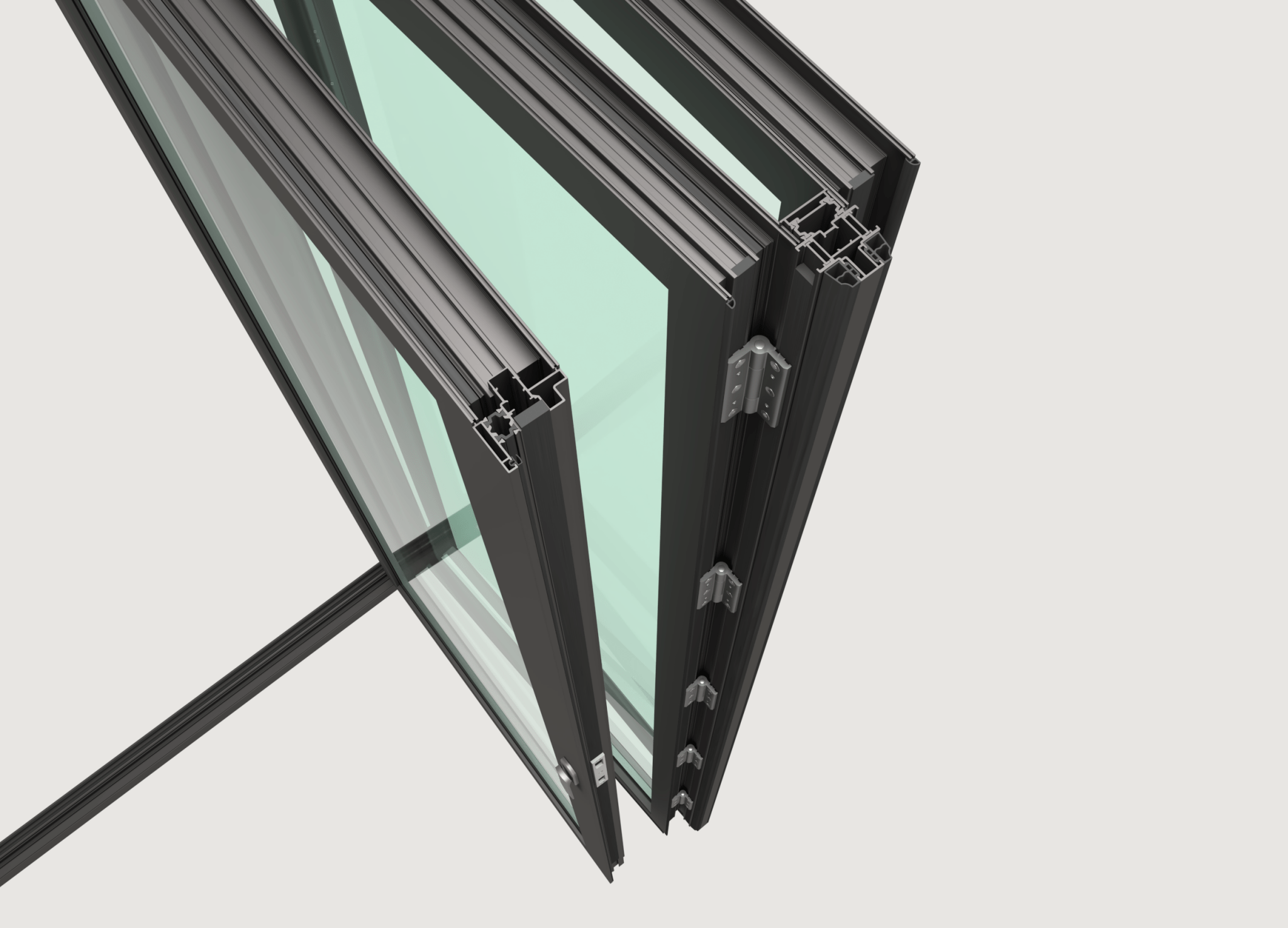
Multiple panels and hinges create sealing challenges. Only premium systems with reinforced stiles, concealed hardware, and weather-rated thresholds achieve reliable water resistance.
Parallel Push Window
Evenly distributed pressure on perimeter seals improves water resistance. Performance is comparable to awning windows.
Practical Advice for Queensland Projects

-
Site wind‐pressure and exposure assessment: During design, have a qualified engineer assess the building’s ULS, SLS and exposure classification (non-exposed, exposed, shielding, cyclone-prone) according to AS 4055 or AS/NZS 1170.2. The QBCC fact sheet explicitly mandates that these details be specified when ordering windows.
-
Obtain and verify AS 2047 test reports: When procuring windows, insist that suppliers provide third-party NATA-accredited AS 2047 test certification, including water-penetration results.
-
Detail waterproofing in installation: Ensure proper design and installation of flashing, drainage channels, and pressure rails. These details are critical for real-world water resistance.
-
On-site QA testing: Post-installation, consider on-site water spray testing (or equivalent) to validate the actual water-tightness.
-
Maintenance plan: Regularly inspect gaskets, weep holes, flashing, and hardware, especially for coastal or high-salt environments where seals and metal components may degrade.
Conclusion
Queensland’s climate demands high water tightness for windows. Tilt-turn, casement, awning, and parallel push windows provide excellent performance, while sliding and double-hung are best for low-exposure or sheltered façades. Bi-fold systems must be premium engineered for coastal applications.

Leave a comment
This site is protected by hCaptcha and the hCaptcha Privacy Policy and Terms of Service apply.